Summary
- Best for teams dealing with manual CRM work and inconsistent processes.
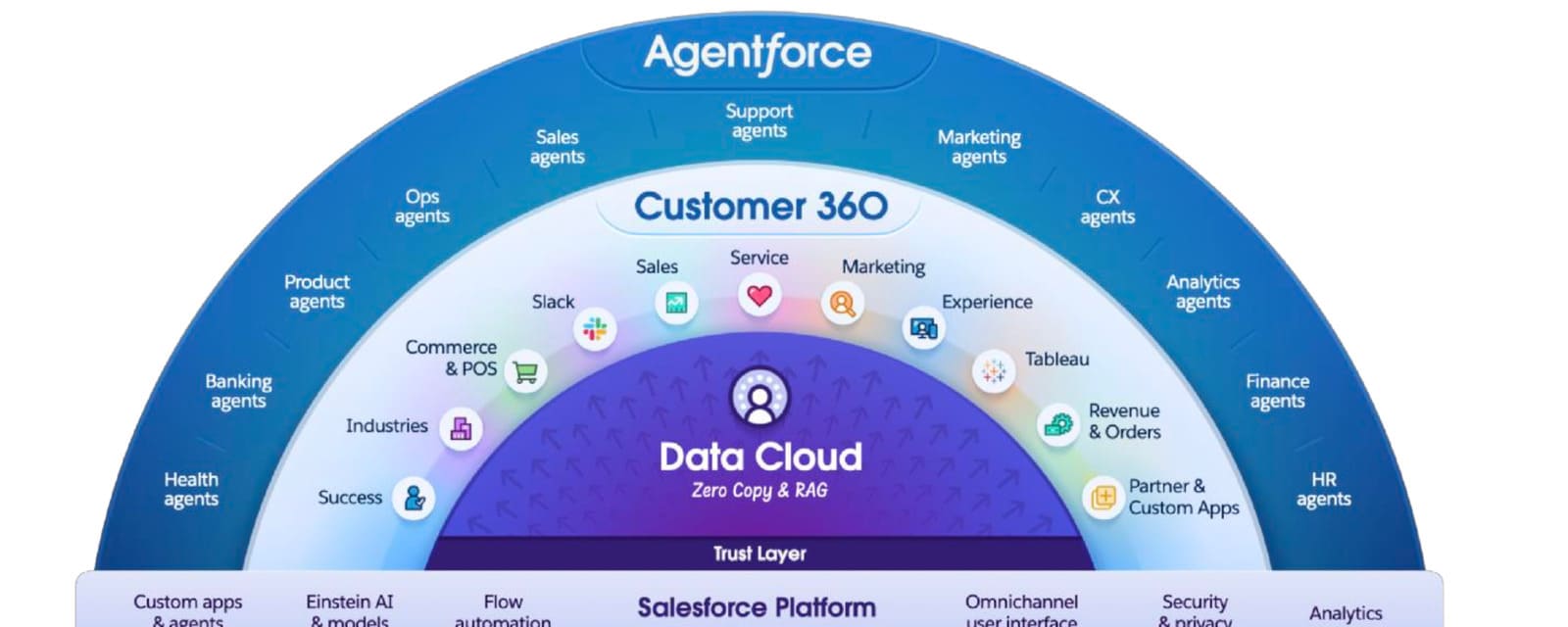
- Delivers AI agents that execute tasks using real data and workflows.
- Outcomes include cleaner systems, faster execution, and real human time saved.
Why Salesforce Is Moving Toward AI Agents
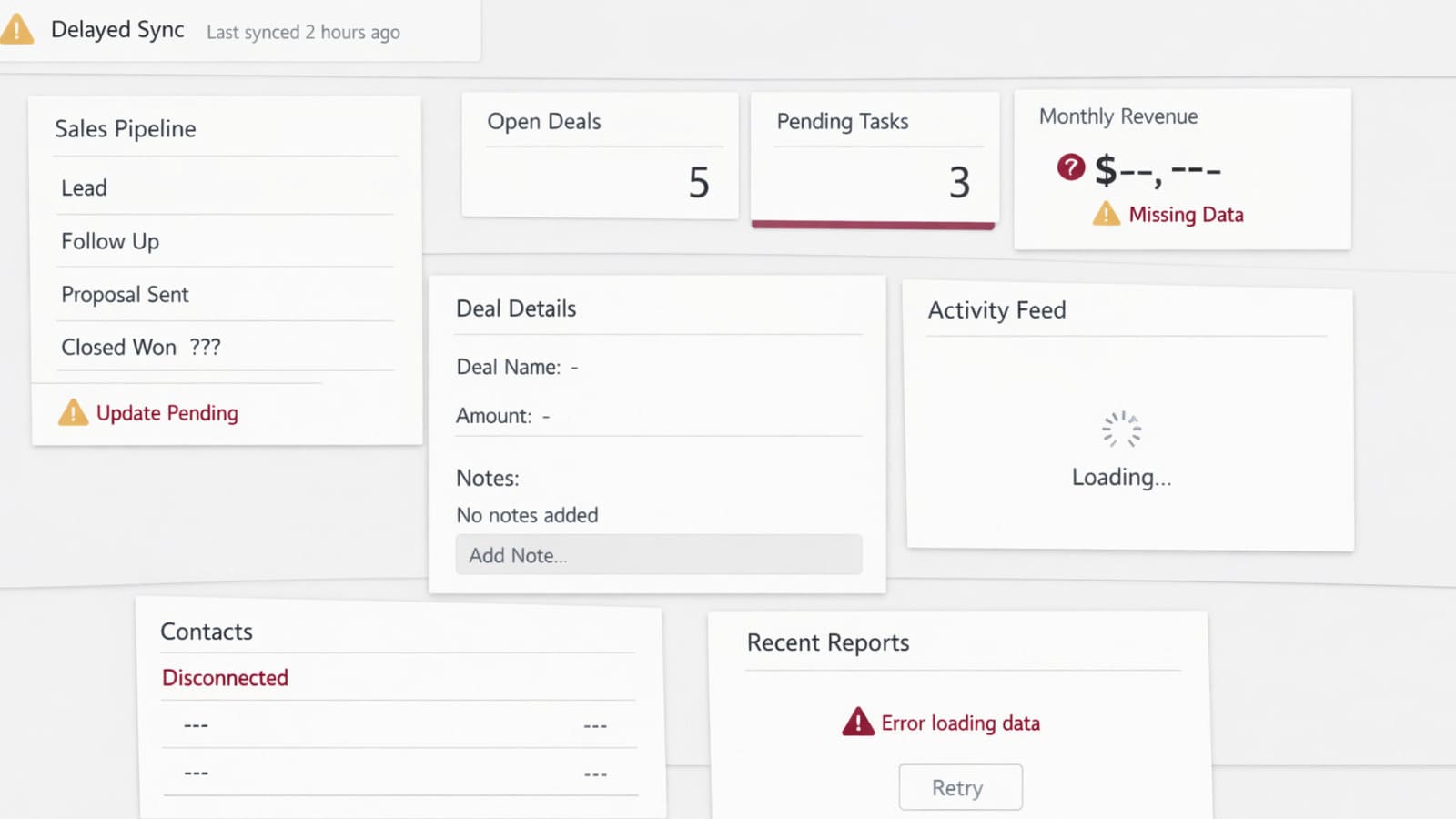
Most companies don’t have a tool problem. They have a time problem. Salesforce already provides systems for tracking data, managing deals, and connecting workflows, but in practice these systems rely heavily on people to keep them accurate. A deal moves forward but the stage is not updated. Notes from calls never get logged. Follow-ups are delayed because someone simply did not have time. Nothing breaks immediately, but over time the system slowly becomes less reliable.
Teams begin to lose trust. Reports need manual fixes before they are usable. Forecasts feel slightly off. People start relying on spreadsheets or memory instead of the CRM itself. This is the operational gap Agentforce is designed to address.
This is not new. It has been building for years. As systems became more complex, the amount of human effort required to maintain them increased. Instead of reducing workload, tools started shifting it. The result is teams spending a large part of their day maintaining systems instead of using them.
Common CRM Friction Points
- Deal stages not updated in real time
- Missing or inconsistent call notes
- Delayed or forgotten follow-ups
- Reports requiring manual cleanup before use
- Data spread across disconnected systems
What Agentforce Changes
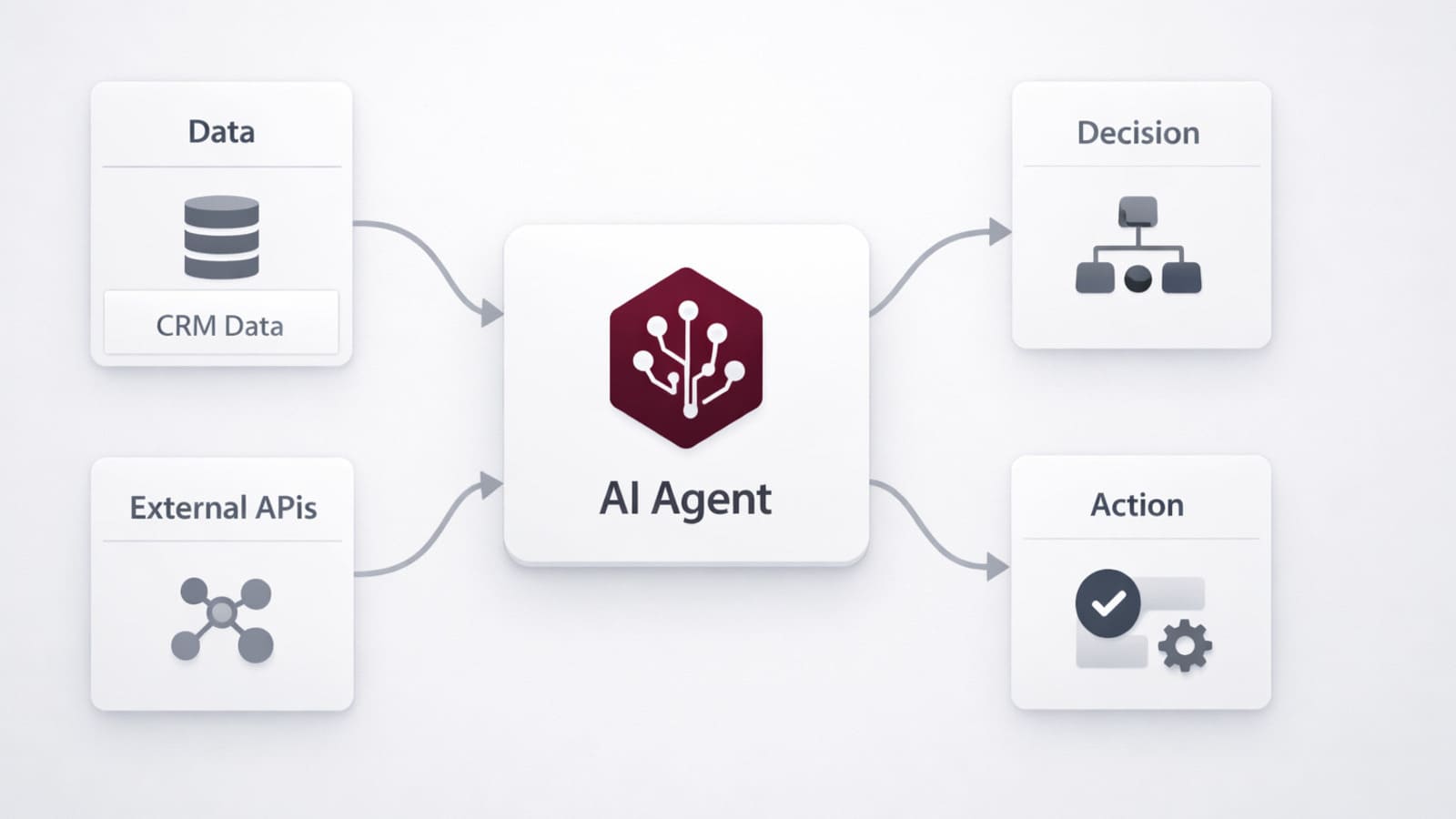
Agentforce introduces a shift where AI is no longer assisting work but performing parts of it. Instead of suggesting actions, it acts based on context, rules, and access to real data. Each agent operates with a defined role, a clear scope, instructions, and the ability to execute actions across systems.
Traditional automation follows fixed logic. Agent-based systems evaluate what is happening, determine what matters, and then act. This allows processes to move forward without constant human input, reducing delays and improving consistency.
This is where the difference becomes visible. Instead of waiting for someone to update a record or trigger a workflow, the system responds in real time. Work continues even when people are not actively interacting with the system.
Not Another AI Layer
Most AI tools introduced in recent years help people think faster or generate content. They assist, but they do not remove responsibility. Agentforce changes that dynamic. Agents can update records, trigger workflows, and move processes forward without waiting for someone to take action.
This shifts AI from a support tool into something that can execute defined work inside your system. That is where the real operational value comes from. Instead of adding another layer of interaction, it removes steps from the process entirely.
Where Things Can Go Wrong
Agentforce does not fix broken systems. It operates inside them. If your CRM has inconsistent data, unclear processes, or undefined rules, agents will follow that structure. This means errors do not disappear. They become faster and more consistent.
Instead of occasional mistakes, you get repeated mistakes at scale. This is why preparation matters before introducing any form of CRM automation at this level.
- Inconsistent or duplicate data
- Unclear or constantly changing processes
- Too many manual exceptions
- Lack of defined ownership for workflows
Designing How Work Happens
Implementing Agentforce is not a simple setup step. It requires operational design. You need to define what work agents handle, what data they can trust, when they should act, and where human oversight is required.
Each process must be structured clearly enough for an agent to execute it without confusion. This means removing ambiguity, reducing unnecessary exceptions, and ensuring that data flows are consistent.
This is not just about technology. It is about understanding how work actually moves through your business and making it predictable enough for automation to handle reliably.
Where Agentforce Delivers Value
The biggest impact appears in workflows that are repetitive and structured. These are areas where human effort was previously required to keep processes moving.
- Lead qualification and routing
- Opportunity updates and pipeline progression
- Customer follow-ups and engagement tracking
- Internal data synchronization across systems
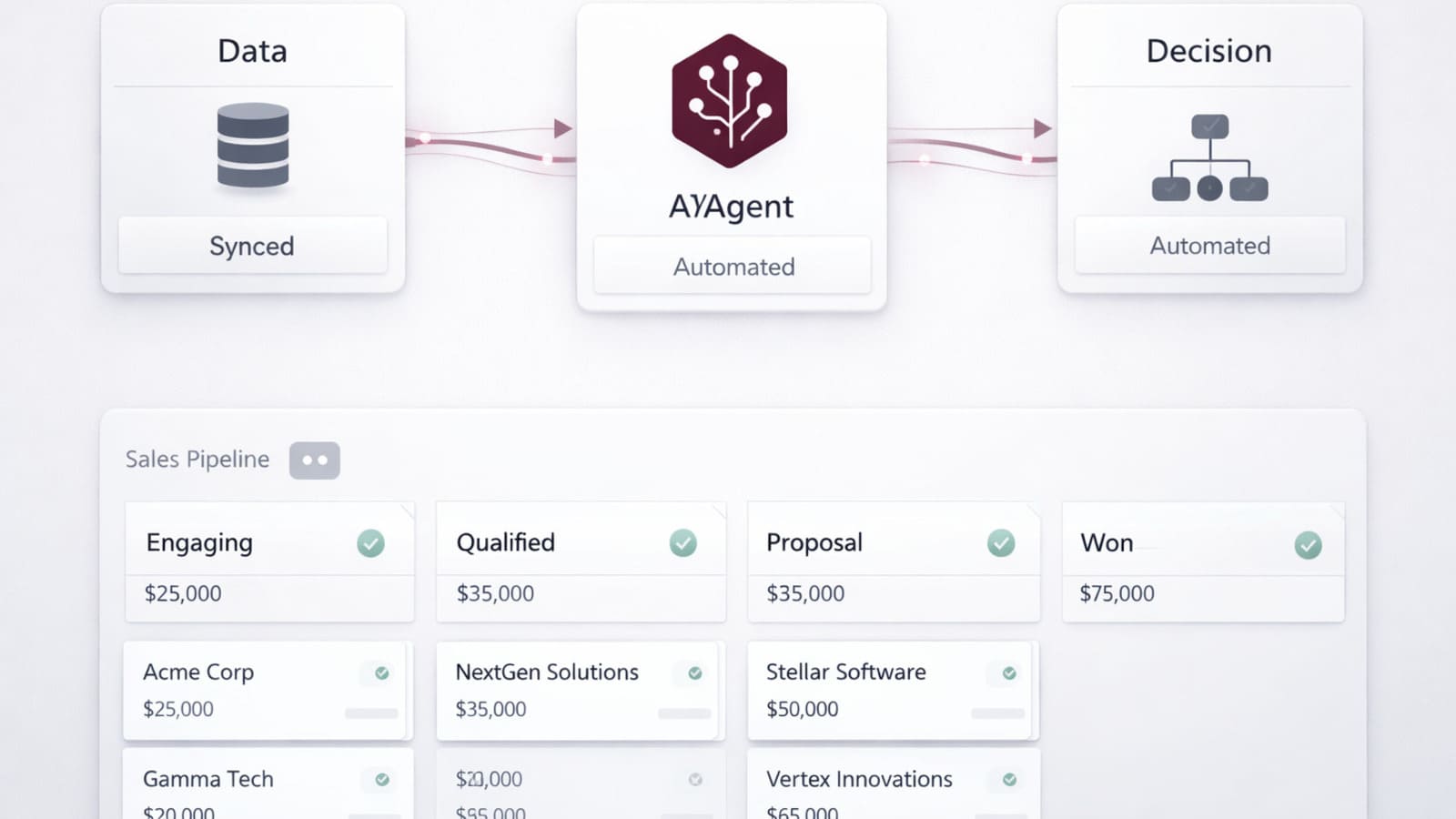
In these scenarios, agents remove delays, reduce manual effort, and keep systems aligned with real activity. Over time, this leads to more stable and predictable operations.
As more of these processes are handled automatically, teams experience less operational friction. The system becomes more reliable, and fewer manual interventions are needed to keep it accurate.
The Metric That Matters
The real value of Agentforce is not measured in features or capabilities. It is measured in human time saved. Removing manual work improves speed, accuracy, and decision-making.
When teams spend less time maintaining systems, they can focus on higher-value work. This includes building relationships, improving processes, and driving business outcomes instead of managing data.
Time saved compounds. Small improvements across multiple workflows add up to significant gains over time.
Final Thought
Agentforce represents a shift in how systems operate. But the outcome depends on design. AI agents do not fix operations. They reflect them.
With the right structure, they remove a significant amount of manual work. Without it, they scale existing problems faster. When implemented correctly, the system operates in the background, stays aligned with reality, and allows teams to focus on meaningful work instead of constant maintenance.
This is not about adding more technology. It is about removing unnecessary work. And that is where the real value is created.